How to discover hidden talents and potential?

Parenting Articles
system

Written by: geneDecode Genetics Education Professional Team

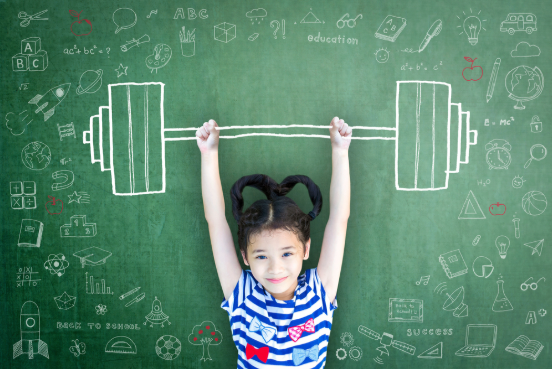
Innate potential is an ability that everyone is born with, a genetic characteristic that is present before growth. From birth, each child possesses their own unique talents. In the process of a child’s growth, emotional intelligence, IQ, and the ability to withstand setbacks, among others, are all necessary conditions for success. Among these conditions, each child’s talents are different. Can we discover their innate talents in the innocent eyes of children? Can we be sure to capture these talents and guide the children on a path of growth that suits them?

Here is a mother’s experience:

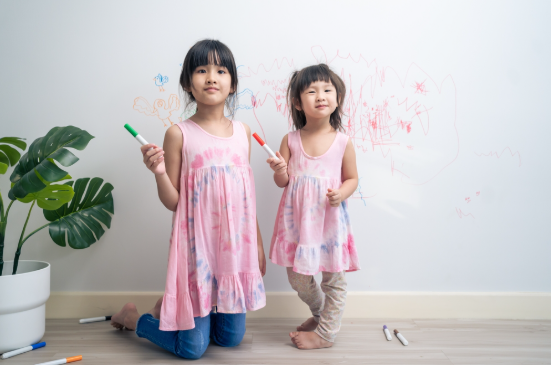
‘Amy is 4 years old this year. As she grows up, she is becoming more and more curious about the things around her. Amy’s father noticed that she seemed to show a special interest in doodling when she was 2 years old. I casually gave her some paint, and she could use a brush, crayons, or her fingers, even a bottle of ketchup, to paint. No one knows what she is painting, maybe only she knows. Amy’s father and I both think that she should be allowed to grow freely. I found that she seems to like painting very much. If she is really good at it, I think we will definitely cultivate her well.’

Amy’s parents are wise. Each child has different talents hidden in different fields. When a child’s talent is found, if it can be cultivated and paid attention to by parents and teachers, it will save a lot of detours in the direction of success. However, the most important thing is for children to have a sense of success from a young age and grow up to be happy and confident people.

Scientific research confirms that the period of infant growth is the fastest and most sensitive period of brain development, and it is also the best time to develop a child’s talents. The cultivation of talents is time-sensitive, and scientists call this irreplaceable stage the ‘talent time window
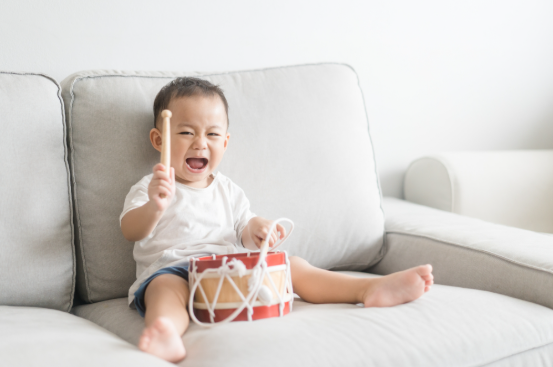
Only at the most important and appropriate moments, with the right education and cultivation, can innate potential develop into real abilities. Missing these key moments of development, a child’s talents may relatively weaken, and their innate potential may no longer stand out. Here are some key moments for reference:

Key Moments for Talent Development

Memory: 12 months to 12 years old

Emotional Intelligence: 2 months to 22 years old

IQ: Birth to 13 years old

Music: 2 months to 5 years old

Drawing: Birth to 15 years old

Sports: Birth to 12 years old

‘Whether Amy can become a painter when she grows up, I can’t confirm, we are just observing. It can be said that it is completely based on feeling. Talent is hard to say, maybe she has talents in other areas, or sometimes it is not obvious, then it is hard for us to discover. We can only do our best and observe her from as many angles as possible.’

This is not just a worry for Amy’s mother. Every parent dreams of their child’s success, but the key is how to accurately discover a child’s talents.

Many parents are trying, hoping to find clues in their child’s behavior, hoping to find ways to discover a child’s talents early. Those parents who seem to have found a method, according to their own judgment and willingness, send their children to various specialty classes and youth classes to learn various skills, hoping that one day, they can become experts in this field. For this goal, parents spare no effort to invest a lot of money and time.
However, doing so seems to not only waste a lot of money and time, but also those originally intelligent children are more likely to lose their spirit in the multitude of educational directions, their talents are delayed or even obliterated. They passively move from one tutoring class to another specialty class, learning things they neither like nor are good at.

Childhood, for children, is no longer a memory of happiness and beauty, but of pressure and worry. The saddest thing is that when they grow up, they have more complaints about their parents.

Is there a better way to understand a child’s talents, personality, and traits, so as to teach students in accordance with their aptitude and cultivate them in a directed way?

Categories
Parenting Articles Parenting Articles Parenting Articles Parenting Articles Parenting Articles Parenting Articles Parenting Articles Parenting Articles

Willing to share – Parents set an example

Parenting Articles
system

Written: Education expert, Cheung Wai Ching

The crow accidentally found a piece of soap. After washing its feathers in the basin, the crow became fragrant all over. Deciding to share this soap with other animals, the mouse, rabbit, little monkey, and big bear all took turns using it. Finally, it was the elephant’s turn. After the elephant finished bathing, the soap was nowhere to be found. The crow found it strange and anxious, thinking the elephant was playing a joke on it. The crow, with a kind heart, shared its good thing with its friends, but in the end, the item was gone. We all know that soap gets smaller as it is used, which is an inevitable fact. The crow didn’t expect that its well-intentioned sharing would result in losing what it originally possessed. Although the crow was a bit reluctant to part with its soap, when it smelled the soap fragrance emanating from its good friends, it felt happy and thought it didn’t matter.

With an increasing number of single-child families in society, coupled with busy parents compensating with material things, children tend to think that everything is for their exclusive enjoyment, and others are not allowed to touch. In such situations, what can parents do?

The joy of sharing is an abstract emotion that requires the accumulation of years along with the experiences of many life events. It is not something that can be achieved overnight. The most effective education on sharing comes from the example set by parents and educators. There is a lady who works as the chief editor in a publishing house. During her daughter’s summer vacation, she took her to the office. At that time, the company was handling a batch of books donated to children in remote areas, totaling a few hundred books.

The daughter asked her, “Mom, do you have to donate so many books? You could sell them for a lot of money! You might incur a huge loss this way. Can’t you donate fewer books?” The lady replied, “No one is telling me how much to donate, and no one is forcing me to do it. It’s my own choice. What are you worried about?” The little girl said, “I’m afraid you’ll donate all the books, and we’ll lose too much. Then we won’t have any money ourselves!” The lady teased, “Well then, I won’t donate at all. After all, those other kids aren’t my children. Why should I care if they have money to buy books?” Playing along, the mom intentionally teased her daughter. The girl clarified hastily, “I didn’t mean not to donate at all. I just meant you should donate fewer books! Keep some for later, and donate gradually!”

The mom, who works as an editor, told her, “Daughter, if I take these books to sell and make money, our family would certainly be happy. But now that I’ve donated the books, many children will be happy because they have books to read. I will also be happy because these books may give them some hope and dreams for life and the future. My happiness cannot be measured in terms of money.”

Parents are the best role models for children. In daily life, when parents show care and assistance to others, it naturally has a subtle influence on their children. Parents should set an example of sharing with others, regularly taking the initiative to care for and assist others. The place where the author lived during childhood was populated with many residents, resembling what Cantonese films call “one floor, fourteen households.” Although having many people naturally leads to friction, neighbors were accustomed to sharing delicious snacks they made with everyone. Additionally, in daily life, common items such as oil, salt, soy sauce, and vinegar were borrowed from one another. These small acts cultivated a sense of sharing in our generation.

The emphasis in “Willing to Share” is on the word “joy.” It is about feeling genuine happiness from being able to share with others. Only those who are truly tolerant, generous, and enthusiastic are willing to share with others. Similarly, only those who are genuinely confident, kind, and open-minded are happy to do so. In other words, if children can truly enjoy sharing, they possess all the valuable qualities mentioned above, which are more important than achieving good grades.

Children react differently to stress; parental trust is the most important

Parenting Articles
system

In recent days, there have been continuous reports of students attempting suicide, a situation that is cause for concern. As parents, we often feel that adults face much greater pressure dealing with work, family, and financial issues than children do. However, Dr. Wong Chung Hin, a specialist in psychiatry, reminds us: “Clinically, cases of emotional distress due to stress are observed in primary, secondary, and university students. Parents should carefully observe any changes in their children’s behavior, patiently listen to their thoughts, and refrain from making hasty criticisms. The most important thing is to believe in your children and encourage them to express themselves.”

The reasons for emotional issues arising from stress in children go beyond academic performance and include family expectations, peer relationships, school bullying, family problems, and family history. Dr. Wong recalls, “When facing the death of a family member, relatives are often busy dealing with post-mortem matters or various rituals, forgetting to take care of the child’s emotions. In addition, some children experience their parents’ divorce or even abuse, which can also affect their emotions.”

Emotional changes vary, and parents need to be attentive

Dr. Wong further emphasizes, “Some children are more adept at expressing their feelings, but many do not know how to express their emotions. As children grow older, some are less willing to share their feelings with family. Therefore, parents and teachers should pay close attention to any changes in their children’s emotions, behavior, and performance.”

Parents should pay attention to the following signs:

  1. Emotional expressions on the face, such as appearing gloomy, tense, crying, or sad.
  2. Changes in lifestyle habits, such as disruptions in sleep patterns (insomnia or excessive sleep), changes in appetite, or spending a lot of time isolated in their room.
  3. Unwillingness to go to school.
  4. Physical changes, such as diarrhea, and stomachaches. Parents might easily attribute these to health issues, but a deeper understanding reveals their connection to emotional stress.
  5. Self-harming behaviors, including self-hitting, cutting, or expressing thoughts like “I don’t want to live.”

Each child expresses emotions differently. If the child exhibits the above-mentioned signs only temporarily, returning to normal after the stress has passed, it is referred to as “Adjustment Disorder.” However, if the situation persists and continues even after the stress has subsided, seeking assistance from a professional is advisable.

When children have emotional expression issues, parents should start by trusting and not hastily criticizing.

Dr. Wong points out that these emotional problems are often challenging to detect: “Some patients, as mentioned above, may not know how to express their feelings. However, there are also cases where they do express themselves, but their parents or teachers do not see it as a problem. They don’t believe the child and instead think that their reluctance to go to school is a sign of laziness. After listening to the child’s concerns, parents or caregivers should believe the child and avoid making hasty criticisms. This is also about raising awareness of emotional issues; they may have insufficient awareness and not know how to handle them. Alternatively, they may worry that seeking help will result in negative labels from others and be hesitant to seek medical attention.”

Dr. Wong warns, “Delaying treatment may worsen the condition, possibly leading to irreparable situations. Some parents worry that taking their child to see a doctor means resorting to medication and fear potential side effects. However, the truth is that medication is not the only form of treatment. It needs to be assessed first and can be complemented with psychological therapy. Many cases involve individuals who believe they are fine or expect to heal on their own after a while, leading to prolonged conditions.”

Once a child’s emotional changes have been occurring for a significant period, impacting daily life, or if thoughts of self-harm or suicide emerge, seeking help promptly is imperative. Dr. Wong also reminds parents that if a child reads news about suicide recently, parents should be by their side, explaining that this is not a solution to emotional problems, to prevent the news from affecting the child emotionally.

Why are children self-centered?

Parenting Articles
system

Written by: Pang Chi Wah, Registered Educational Psychologist, New Horizons Development Center

Nowadays, many couples choose not to have children after marriage or opt to raise only one child. They feel that the task of parenting is extremely challenging. The personalities of modern children tend to be more self-centered. Is this due to issues with the parents’ innate genetic factors, or are there problems in the parents’ postnatal upbringing?

Psychologist Alfred Adler once pointed out how birth order influences a person’s psychological traits. He mentioned that only children, due to the lack of competition among siblings, tend to develop a self-centered personality, making it difficult for them to interact with peers in the future.

From birth, only children become the center of the family. Their loved ones take care of them meticulously, revolving everything around them. Growing up in an environment filled with love, they rarely experience sharing or conflicts with others. Over time, the self-centered behavior of children may develop due to being excessively indulged, making it challenging for them to get along with others.

If families of this kind invest all their resources in their only child, treating them as a precious gem and complying with their every command, these children may never experience “loss or rejection” from an early age. They may believe that everything should come easily, intensifying their self-centered behavior.

On the other hand, to meet the educational needs of today’s students and some parental demands, schools have abandoned the teacher-centered approach in favor of Western advanced educational philosophies. They often advocate slogans centered around students. Teachers need to prioritize students’ interests and needs, designing curricula around them. If educators fail to strike a balance, the school environment may also contribute to the development of children’s self-centeredness.

In the past, schools used societal standards as the center of instruction, hoping students would graduate to conform to cultural norms. In contrast, today’s education, focusing on students, both at home and in school, has accustomed children to living in a happy environment. They may not necessarily learn to look ahead to the future but rather prefer living in their world.

Furthermore, the continuous advancement of technology is believed to be another factor making children more self-centered. In the past, whether at school or in extracurricular activities, children would engage in group games with peers. Now, in their leisure time, due to a lack of playmates and the prevalence of commercial electronic toys, children conveniently satisfy their psychological needs through these devices without the need for peer interaction.

As they reach adulthood, they are more inclined to pass their time with online games. These impersonal forms of entertainment prioritize individual satisfaction over interpersonal communication. Children growing up without proper emotional education find it easy to imagine that this long-established habit makes them unwilling to step out of their worlds, making it difficult to establish relationships with others.

Faced with this situation, educators and parents need to address it from various perspectives. For example: parenting methods should be coordinated, schools and parents should collaborate on discipline, and society as a whole should reflect on the values of cultural education. Only through these efforts can we effectively reduce the growing self-centeredness in children.

Why do children engage in challenging behaviors that challenge parents?

Parenting Articles
system

Written by: Child Psychological Development Association

Psychological Counselor, Mr. Ching Wai Keung

“Is your child deliberately engaging in behavior that challenges your limits?”

“Does your child’s behavior completely contradict your wishes?”

“No matter how you punish your child, it seems like they become more defiant!”

Do these scenarios sound familiar to you? Many times, parents worry incessantly about their child’s behavior. However, behind the child’s behavior, there may be different emotions. For example, a child might intentionally exhibit rebellious behavior due to a desire for attention or rivalry for affection. In such cases, punishing the child may result in them becoming even more disobedient.

Renowned American emotion psychologist Plutchik pointed out that we have eight basic emotions (Plutchik, 1993), including acceptance, anticipation, disgust, anger, sadness, fear, joy, and surprise. These emotions manifest in an “Emotion Chain,” which includes stimuli, thoughts, emotions, behavior, and outcomes.

For instance, when an older brother sees his mom taking care of his younger sister (stimulus), he may think that his mom now only loves his sister and ignores him (thoughts). This could lead to emotions like sadness and anger (emotions). As a result, he may intentionally misbehave (behavior). The outcome is that the mom puts down the sister in the crib and then deals with the older brother (outcome). In the older brother’s eyes, his mom finally put down his sister, achieving the desired outcome through his behavior.

Young children may not necessarily express their thoughts through language, making it challenging for parents to understand the reasons behind their behavior. However, by soothing the child’s emotions and paying attention to patterns in their behavior, we can improve their conduct.

For example, if an older brother consistently exhibits inappropriate behavior whenever he sees his mom taking care of his younger sister, it can be inferred that he is seeking his mother’s love. In response, the mom can balance one-on-one time with both the older brother and younger sister, allowing him to feel that his mother loves him too. She can also invite him to participate in caring for the younger sister. If inappropriate behavior arises when attention is lacking, it may be a skill to attract parental attention. In such cases, parents can offer attention before inappropriate behavior occurs and deliberately ignore the behavior when it does, helping the child understand that misbehavior does not garner attention.

Understanding the reasons behind a child’s behavior is immensely helpful in improving inappropriate conduct. If you’d like to know more, feel free to contact us.

Categories
Parenting Articles

The reasons behind every child’s behavior

Parenting Articles
system

Written by: Child Psychological Development Association, Psychological Counselor, Mr. Ching Wai Keung

We all know that different parenting methods have a significant impact on a child’s physical, emotional, and intellectual development. However, in this article, I do not intend to share expert theories but rather recount an incident I witnessed firsthand.

Case Sharing: Witnessing the Use of Aggressive Parenting

Once, while working in Beijing, I observed several mothers with their children waiting outside a shopping mall for it to open. Among them, a little girl (referred to as A, approximately 3 years old) stood out as notably aggressive. When other children entered her “territory,” she would unhesitatingly launch attacks. Before long, A slapped another child, B (around 3 years old), who immediately burst into tears. From my observation, the pain wasn’t the primary cause; B cried due to the sudden shock.

B’s mother hurriedly approached to console him, but even after almost 30 seconds, B continued crying. Surprisingly, his mother brought him in front of A, held B’s hand, and instructed him to “hit her back.” B refused, clinging to his mother, who repeatedly urged him to retaliate. She forcibly held his small hand, demonstrating the action of an attack, insisting more than ten times. However, the little boy grew even more frightened, withdrawing his hand and cowering against his mother.

On the other side, A’s mother held a few months old infant in one hand and restrained A with the other. She scolded and sometimes even hit her daughter. The more the mother struck, the more A resisted, launching attacks on nearby children, creating a chaotic scene.

We should patiently understand the reasons behind a child’s behavior.

This has led me to a lot of reflection: we tend to focus on improving the visible behavior and overlook the underlying reasons.

The child who was slapped needed a sense of security the most at that moment, not a retaliatory response. However, it seems that the mother either did not provide this or provided it inadequately. When the child calmed down, the mother proceeded to explain that hitting others was unacceptable behavior and attempted to explain why the other child might have attacked.

As for the little girl who launched the attacks, even though the infant might not have been her brother (possibly a child her mother was caring for), at her age, she would still experience jealousy. She seemed to lack a sense of security, vigorously defending her “territory.” When her mother punished her for her actions, she felt even more unloved, leading to increasingly intense behaviors and creating a vicious cycle.

Many times, a child’s behavior can be infuriating, but before taking corrective action, have we sincerely tried to understand the reasons behind the child’s actions?

How to cultivate a positive learning attitude in young children from an early age?

Parenting Articles
system

Source: Dr. LAU Yee-hung, Associate Professor and Deputy Head, Department of Early Childhood Education, The Hong Kong Institute of Education

Many parents hope that their children will develop a love for learning from a young age. However, children don’t automatically develop a liking for learning; it requires parents to gradually nurture them, bit by bit.

Encouraging Children in Interactions

Children won’t initially learn to persevere on their own. It’s the parents’ responsibility to encourage them to persist in the process, instilling in them an anticipation of success. When a child succeeds, parents can review the past with them, allowing the child to feel the valuable outcomes achieved through perseverance and encouraging them to continue exhibiting positive behavior.

Providing Intrinsic Motivation

Often, children need some motivation to excel in certain tasks. Parents should emphasize what the child gains without making comparisons, such as satisfying their sense of achievement, enjoying the process of effort, and receiving appreciation from parents. This helps children experience the joy of learning and establishes intrinsic motivation, enabling them to engage in learning activities willingly from the heart.

Parents set a good example

Learning knows no age limits, and parents can demonstrate proactive learning and curiosity in front of their children. For instance, parents can learn to cook new dishes online, expressing to their children that, even if they don’t understand initially, they persevere and learn from various sources. Even if the outcome isn’t delicious, they commit to improving next time. Allowing children to see their parents’ initiative and curiosity in learning through real examples is much more effective than mere verbal instruction.

There are no children who don’t love learning; there are only parents who don’t know how to teach their children to learn. A love for learning is inherent in children. Correctly instilling a positive learning attitude in children, can only be achieved through the parents’ persistence and continuous efforts, reinforcing the child’s motivation for learning through various everyday experiences.

Categories
News

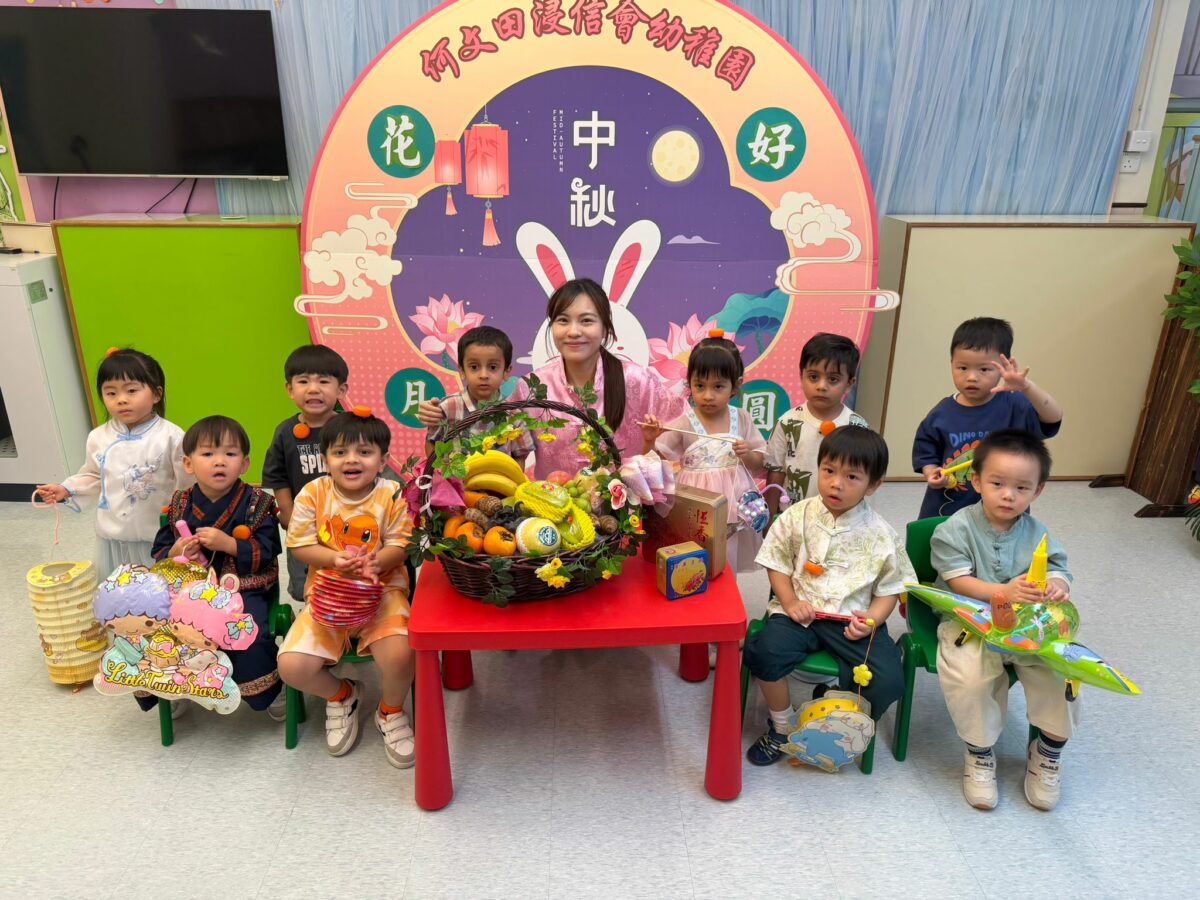
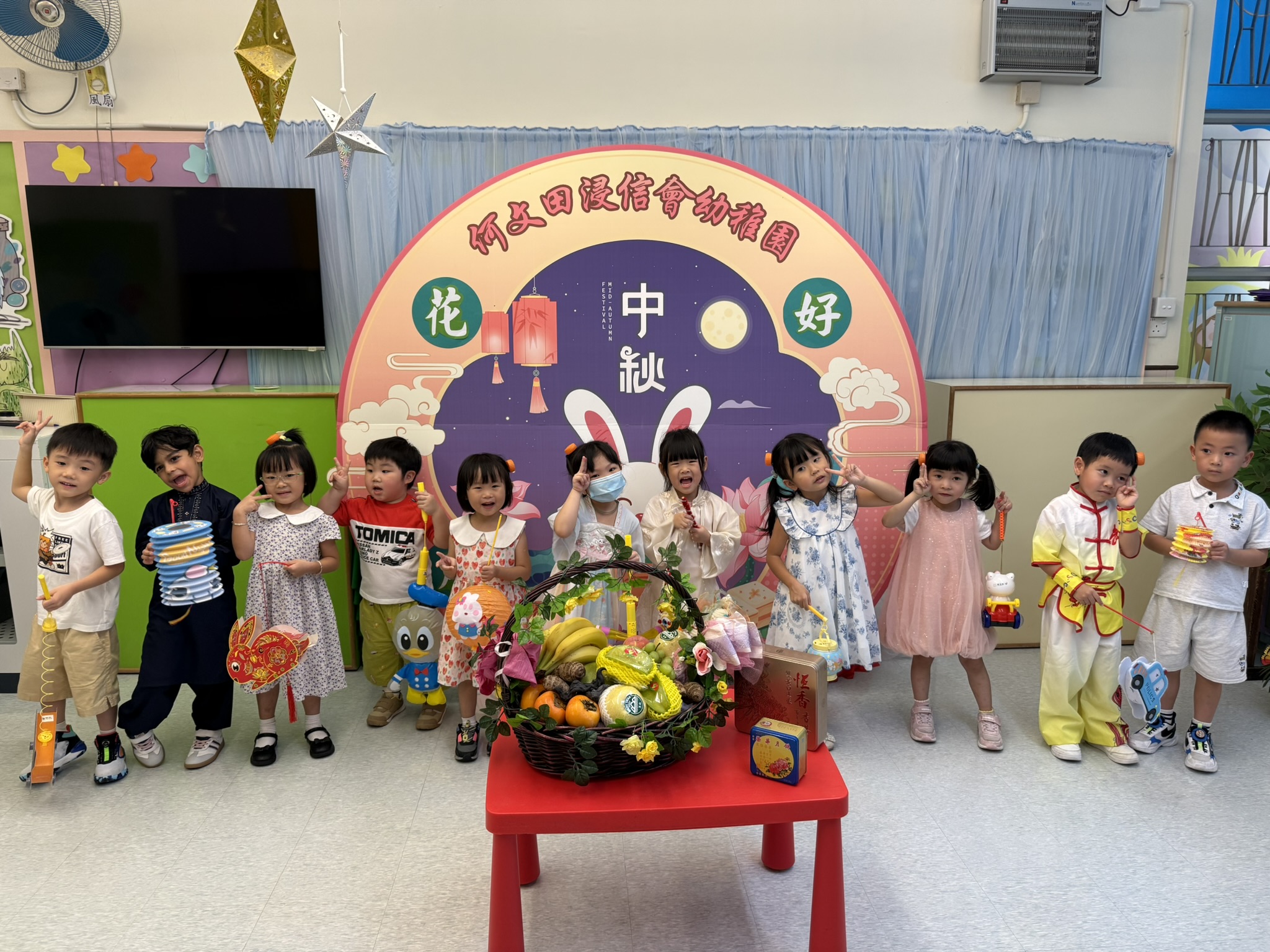
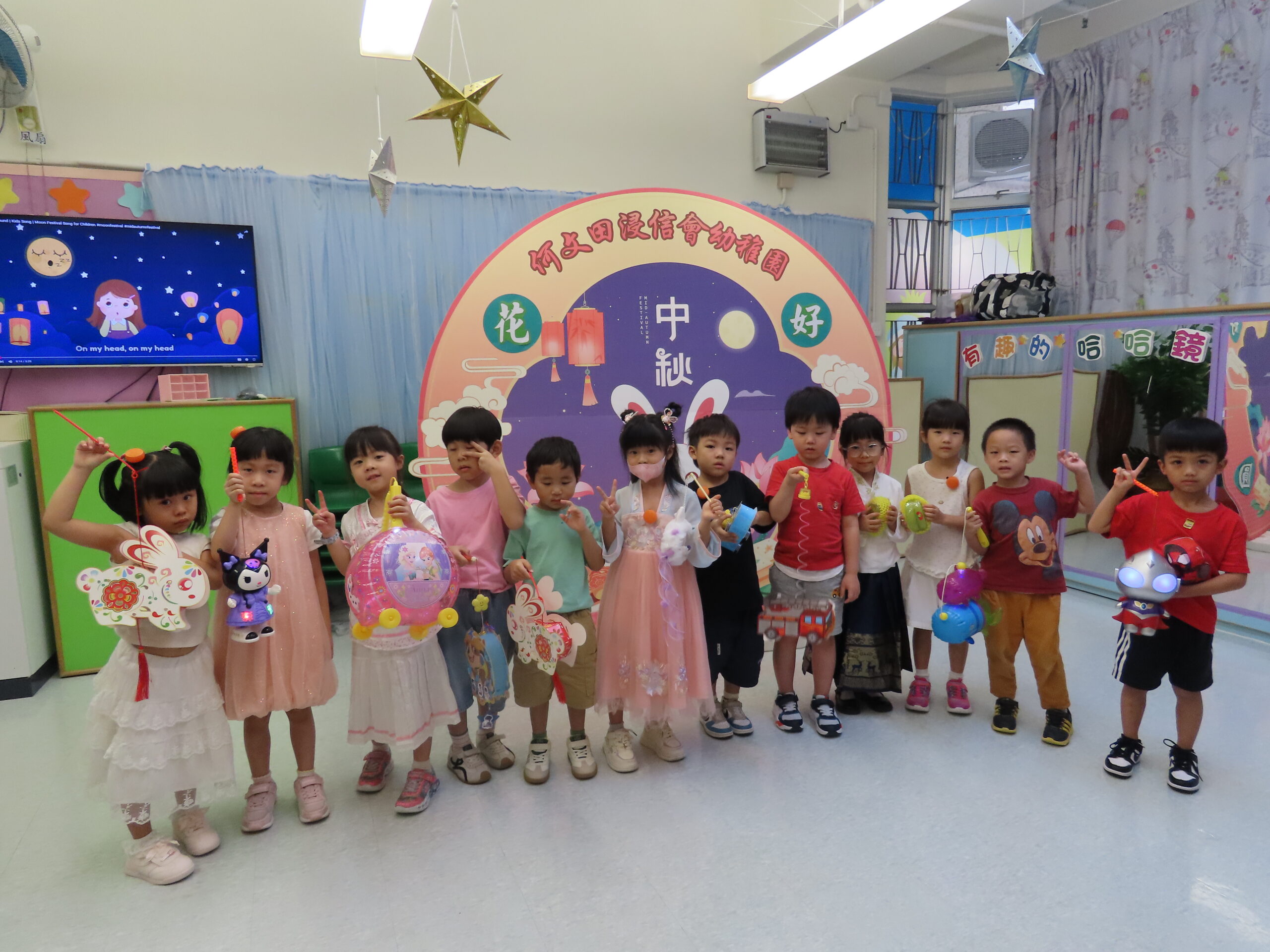
3rd October “Mid-Autumn Festival’s party“

Playing and toys

Parenting Articles
system

Shirley LooPlaying and toys

Child, in my memory, you rarely asked me to buy toys during your childhood. I wonder if this has anything to do with that time when I took you away from home to “Fun World.”

Do you still remember standing in front of that plush toy? I made up many stories, saying that Ning Ning wanted to take them home, and they cried, saying “they didn’t want to leave their own home.” As a result, you believed it to be true and your heart softened, and you no longer pleaded with me to buy the plush toys. But it also let us know that plush toys were your favorite, so whenever we went on business trips, we would buy one to bring back for you as a souvenir. Do you still remember Dutchess, the cute brown pony?

Aside from plush toys, my memories related to toys are quite vague. I only remember singing games around the dining table after meals, playing with paper balls when you were recovering from a fever, and building sandcastles with you on the beach and catching crabs by the rocks, none of which involved spending money on toys.

I also remember setting a rule back then: no video games at home. You begged many times, asking why we couldn’t buy an X Paradise to play at home, and my response was: “Once a week at your cousin’s house is enough!” I wonder if this kind of “persistence” made you feel uncomfortable. I hope you understand the good intentions of your mother, which was not wanting your thoughts and attention to be captured by video games. Seeing you recently bought a video game console with your husband and are enjoying it at home, you’ve finally found someone to play with, haven’t you?

Recently, your father and I browsed through a toy store for a while, seeing a dazzling array of toys for adults, children, and babies. But we still firmly believe that no matter how fun toys are, they cannot replace the time parents spend playing with their children. After all, toys are not meant to “pass the time” for children, but are tools for creating happy moments between parents and children!

Ho YingToys 

When I was young and went shopping with you, I would always see children crying and screaming at the entrance of toy stores, clamoring to buy toys. However, this situation rarely happened to me, not only because I had a deep affection for every toy but also because I had you to play with me, making every day feel new even if I was looking at the same toys. The stuffed toys at home would not only perform in stage plays but also interact with the “audience” (which was me), and they would go shopping with me and chat with “friends” on the street or in the stores.

The only toy I really wanted but never got was a video game console. Every weekend when I visited my cousin, he would always play different games with me, like basketball, ones set in the Warring States period, and racing games, which made me want to own one so I could play at home. But you would always say, “It’s good enough to play with your cousin; we don’t need to own one.” Honestly, I really hoped that one day, when you came home from work, you would bring home a box of X Paradise, but that never happened.

Now that I’ve grown up, my husband and I finally bought one to take home. At first, I was very excited, thinking that I could play as soon as I got home. However, there were a few times when I was alone at home, I would play the video game for ten minutes and then do something else. It was then that I realized that what I enjoyed about playing was not the game itself, but having someone to play with. So, what’s important is not the toy, but the interaction with family and friends.

Children of today’s generation seem to only play games on mobile apps, and toys have gradually lost their status. Whether in restaurants or on the subway, the laughter of children is less heard, replaced by people of all ages looking down at their phones, the adults reading the news and the children playing video games. Most mobile games are single-player, merely interacting with a pre-programmed system, lacking the exchange between people. If possible, why not put down the phone, take out a stuffed animal or a robot, and bring the child back to that world full of fantasy and innocence!

Are you good neighbors?

Parenting Articles
system

Written by : Registered Educational Psychologist, Pang Chi Wah

Many parents lament that in the past, interactions with neighbors were more frequent. Perhaps there were fewer places to live, but there were larger communal spaces, allowing for daily interactions with neighbors. Parents used to entrust their children to neighbors, and could borrow necessities from them when in need, resulting in very happy relationships!

However, in the modern living environment, there may be many people living in the same building, but the likelihood of interacting with each other is much less than before. People no longer share food or take care of each other’s children. Perhaps everyone is busy with work, spending all their energy during the day, and they have no time to develop deep relationships with neighbors after work or on holidays.

Nowadays, many couples without children can live this way, but once small families have children, parents need to deliberately increase the frequency and form of interactions with neighbors. In fact, more and more families are finding that their children are becoming self-centered and disrespectful to others. It turns out that only children can become subjective and fragile because they rarely experience social pressures or conflicts during their growth, and they tend to avoid social interactions. Over time, their social desires and skills may not reach the standard expected for their age.

Some parents may want their child to have a sibling and consider having another child, but they must also consider the financial and emotional impact on the family. The simplest method is not just to let them have group social interactions at school, but to let the children build relationships with the neighbors’ kids. There is an old saying: “Distant relatives are not as good as close neighbors!” Neighbors can actually remedy the lack of peers in the family, just as only children in the past could practice the skills of interacting with siblings through their neighbors.

Toys in the 21st century can make children self-sufficient, eliminating the need for cooperation with others. Additionally, the younger generation of parents may have had limited interactions with neighbors during their own upbringing, and the frequency of visiting relatives and friends during holidays has also decreased. They might struggle to initiate conversations due to the lack of conversation starters, which is why it’s no surprise that the next generation is increasingly reluctant to interact with others.

In fact, young children can easily attract the attention of neighbors and serve as a key to breaking the ice. It’s best to choose neighbors with children as potential friends. Parents can start by simply smiling at the neighbor’s children. Even without verbal communication, this can leave a positive impression and convey goodwill, reducing unnecessary wariness. This can gradually lead to verbal conversations and the development of friendship over time.

During festivals such as Christmas, the Mid-Autumn Festival, or other holidays, parents can encourage their children to make greeting cards to express care towards their neighbors, providing the children with practical applications of their skills. Additionally, after a family trip, parents can buy some special food items for their neighbors. While it’s uncertain whether a gift will meet the neighbor’s preferences, food is generally easier to enjoy and can help maintain a good relationship with neighbors.