November 2025

Written by: Pang Chi Wah, Registered Educational Psychologist, New Horizons Development Center
Nowadays, many couples choose not to have children after marriage or opt to raise only one child. They feel that the task of parenting is extremely challenging. The personalities of modern children tend to be more self-centered. Is this due to issues with the parents’ innate genetic factors, or are there problems in the parents’ postnatal upbringing?
Psychologist Alfred Adler once pointed out how birth order influences a person’s psychological traits. He mentioned that only children, due to the lack of competition among siblings, tend to develop a self-centered personality, making it difficult for them to interact with peers in the future.
From birth, only children become the center of the family. Their loved ones take care of them meticulously, revolving everything around them. Growing up in an environment filled with love, they rarely experience sharing or conflicts with others. Over time, the self-centered behavior of children may develop due to being excessively indulged, making it challenging for them to get along with others.
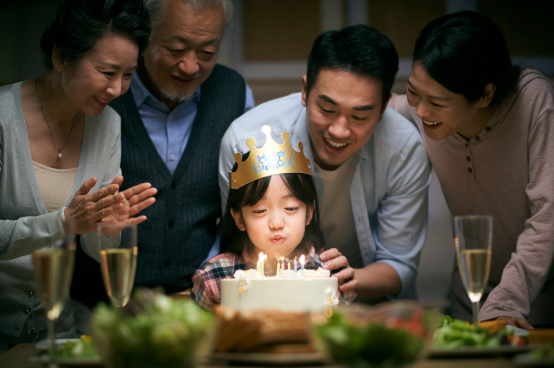
If families of this kind invest all their resources in their only child, treating them as a precious gem and complying with their every command, these children may never experience “loss or rejection” from an early age. They may believe that everything should come easily, intensifying their self-centered behavior.
On the other hand, to meet the educational needs of today’s students and some parental demands, schools have abandoned the teacher-centered approach in favor of Western advanced educational philosophies. They often advocate slogans centered around students. Teachers need to prioritize students’ interests and needs, designing curricula around them. If educators fail to strike a balance, the school environment may also contribute to the development of children’s self-centeredness.
In the past, schools used societal standards as the center of instruction, hoping students would graduate to conform to cultural norms. In contrast, today’s education, focusing on students, both at home and in school, has accustomed children to living in a happy environment. They may not necessarily learn to look ahead to the future but rather prefer living in their world.
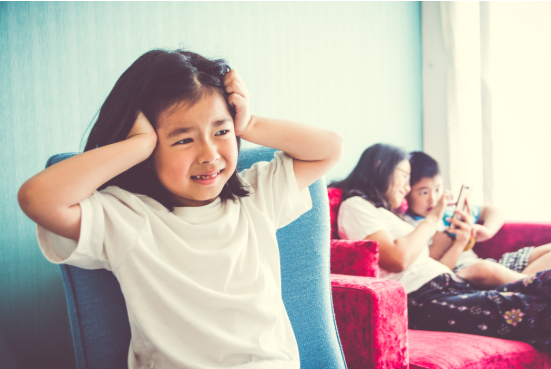
Furthermore, the continuous advancement of technology is believed to be another factor making children more self-centered. In the past, whether at school or in extracurricular activities, children would engage in group games with peers. Now, in their leisure time, due to a lack of playmates and the prevalence of commercial electronic toys, children conveniently satisfy their psychological needs through these devices without the need for peer interaction.

As they reach adulthood, they are more inclined to pass their time with online games. These impersonal forms of entertainment prioritize individual satisfaction over interpersonal communication. Children growing up without proper emotional education find it easy to imagine that this long-established habit makes them unwilling to step out of their worlds, making it difficult to establish relationships with others.
Faced with this situation, educators and parents need to address it from various perspectives. For example: parenting methods should be coordinated, schools and parents should collaborate on discipline, and society as a whole should reflect on the values of cultural education. Only through these efforts can we effectively reduce the growing self-centeredness in children.