
Month: February 2026

Categories
“The reading of many books is as important as traveling a thousand miles.”
- Post author By system
- Post date 05/02/2026



February 2026
Written by: Education expert, Chu Wud Man
Children and I went on a study trip to Sabah, Malaysia, in the early years. The winter sun was bright, and the five-day, four-night experience was richly rewarding. Taking a boat ride to observe proboscis monkeys in the mangroves was a highly appealing activity. In the evening, thousands of fireflies hung low on the trees, turning the tall trees into sparkling Christmas trees. I stood beside the children, watching their lively and excited expressions, deeply believing in the importance of both “reading ten thousand books” and “traveling ten thousand miles.” Without saying much, just looking at the experience of having a buffet breakfast in the morning over the four days, it was indeed a valuable lesson in civic education for the children.
On the second day in Sabah, the children woke up and followed the teacher into the hotel’s buffet restaurant for breakfast. The diverse and delicious food made the children salivate. They wandered around with plates in hand, unable to decide what food to take first. When they encountered interesting decorations, they would loudly call their companions to come and see. Hungry children filled their plates with a large serving of fried rice, with salad and two slices of watermelon placed next to the plate like small hills. The excitement and noise of the children in front of the delicious food seemed to make them forget the teacher’s instructions and requests until the lead teacher approached, reminding and guiding them, gradually calming the situation.
After breakfast, during the gathering, I discussed the situation observed earlier with classmates, making the children aware that their behavior had disrupted other restaurant patrons and lacked the proper etiquette. The teachers reiterated the points they needed to be mindful of and then continued with the itinerary.
In the following days, I arrived at the restaurant very early, sitting aside, sipping coffee, and observing the students’ behavior. The children arrived one by one, walking lightly, taking the time to carefully consider and plan their desired breakfast, and then politely selecting some food to enjoy.
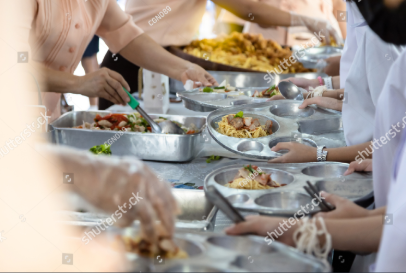
Occasionally, they would still gather in small groups in front of interesting food, chatting softly. However, overall, they were mindful of the restaurant’s etiquette, showing consideration for the needs of the dining room and respecting other patrons. The waitstaff also praised the children for their excellent behavior, and visitors from different nationalities engaged in friendly conversations with the children. The relaxed and warm breakfast provided the children with opportunities to learn etiquette.
The learning experience during the study trip is extensive, ranging from understanding things in different regions to personal self-management and team discipline. The progress made by the children over the four mornings may prompt parents to engage in deeper reflections.

February 2026
Written by: Pang Chi Wah, Registered Educational Psychologist at the New Horizons Development Centre
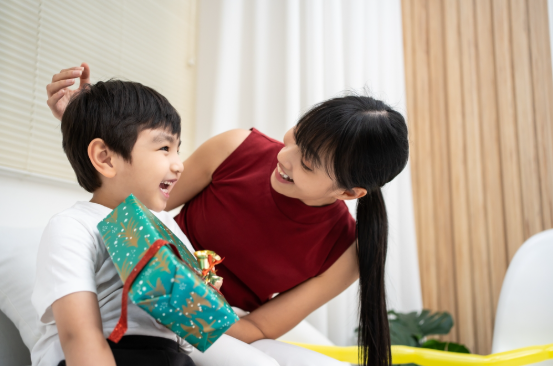
Some parents have the following thoughts about rewards: “The original intention was to praise the child’s good performance, but now the reward seems to have become a bribe.” “He has become utilitarian, calculating the degree of his effort based on the size of the reward.” “Sometimes I even feel that the child has become greedy. The rewards that once attracted him no longer have the original effect. Only by providing richer rewards is he willing to make an effort.”
In fact, in the commercial society where adults are located, bosses also use rewards and bonuses to praise employees’ outstanding work performance and inspire employee morale. Many early childhood education experts have also proposed a reward system, using children’s favorite food, toys, etc., to train and cultivate their good behavior habits. Rewards have become our usual way, but parents’ worries are not unfounded. How can we reduce the side effects of rewards?
There are mainly two directions to reduce the side effects of rewards. One is that parents can change the type of rewards, and at the same time, they must not encourage children with money, otherwise it will make children prioritize money and everything will be based on materialism. The rewards given by parents can be changed from one-time enjoyment such as food, gradually transformed into long-term gifts, such as entertaining toys, academic stationery, etc., and later can be rewarded spiritually, such as parents giving certificates, applause and other non-material encouragement.
The second approach is that parents can gradually reduce the proportion of rewards given according to the following three criteria:
- Increase the number of expected behaviors completed by the child before giving a reward.
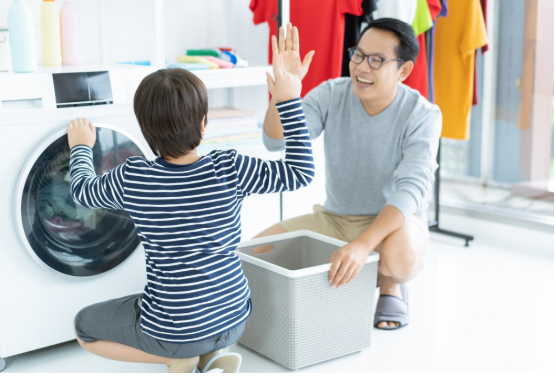
Example: If parents expect the child to put the toys away in the toy box after playing, initially, parents may need to give stickers as encouragement for the child to be willing to tidy up the toys; afterwards, the child should put the toys in the toy box several times on their own before the parents give sticker rewards.
- Raise the standard of requirements according to the child’s performance, and only give rewards after the child completes behaviors of higher difficulty.
Example: Initially, as long as the child puts all the toys in the box, they can be given sticker encouragement. Then the requirements can be raised, the child needs to put all the toys in the box, and carefully organize the toys and place them properly to get the sticker.
- When the child is relaxed and happy or makes a request, parents can make demands on the child without providing rewards.
Example: The child requests to watch their favorite TV show, the parent proposes that the child needs to tidy up the toys into the toy box before they can watch TV.
Through these two principles, parents can systematically dilute the function of external material rewards, let children internalize the motivation behind completing good behaviors, gradually reduce dependence on external encouragement, and make them gain a sense of success from within as the main source of their learning motivation.